

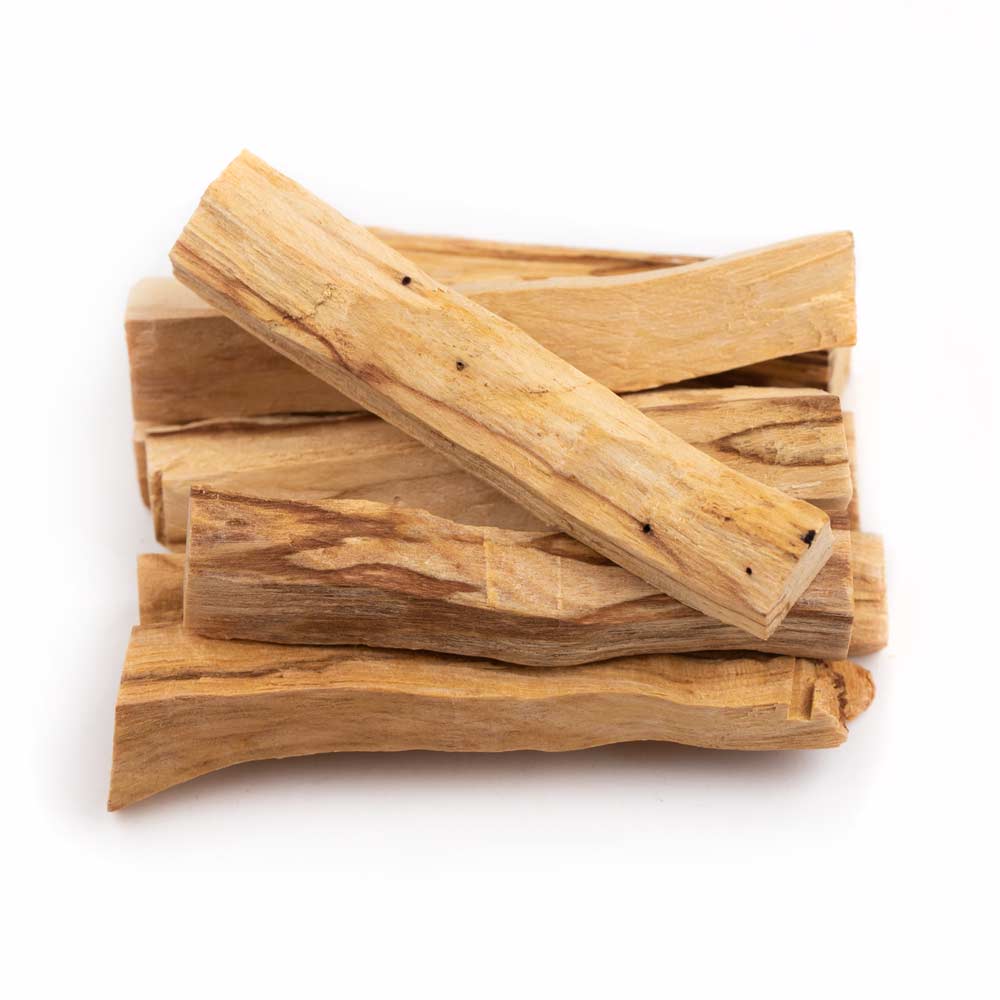
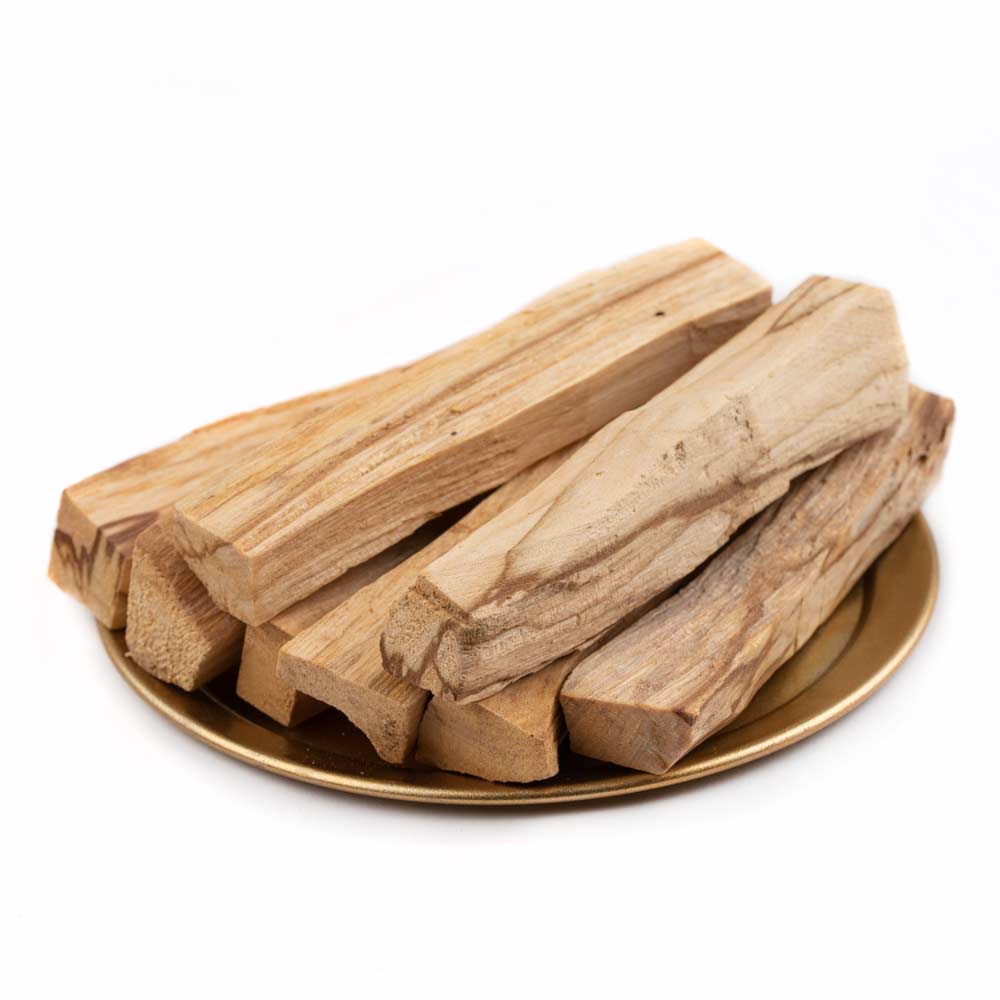


Palo Santo (Bursera graveolens) originates from the coastal regions of South America and belongs to the same botanical family as myrrh and frankincense. Its potency stems from a natural transformation process, as the wood develops medicinal and aromatic properties only after the tree dies naturally and rests in its environment for several years. Shamans and healers in the Andes have used this holy wood for millennia to cleanse energies and establish a connection with the metaphysical world.
Natural Habitats
Peru, Venezuela, Bolivia, Costa Rica, El Salvador, Honduras, Mexico, Nicaragua, and the Galapagos Islands.
Traditional Shamanic Use
Holy wood serves to purify spaces and energy fields. Lighting the wood releases a fresh smoke with mint and citrus notes, raising the vibration of the environment and deepening meditative states. Its presence stimulates creative flow and brings stable, harmonious energy into the room.
Traditional Use in Folk Medicine
In South American tradition, Palo Santo alleviates symptoms of colds, flu, and headaches. It effectively calms anxiety, tension, and emotional burdens. Its aroma benefits the respiratory system and reduces the body's stress response.
Directions for Use
Hold the wooden stick at a 45-degree angle and allow it to burn for up to one minute. Once the wood glows, blow out the flame. Move the smoldering stick in circular motions to smudge your living or workspace. The rich smoke immediately transforms the atmosphere and evokes peace. After the ritual, place the stick in a heat-resistant bowl, where the embers will naturally extinguish. Each individual stick allows for multiple uses.
Scent
Warm, finely sweet, rose-woody.
Blending with Other Incense
For richer incense blends on charcoal, combine Palo Santo with benzoin, copal, frankincense, sandalwood, vanilla, tonka beans, or myrrh.
No reviews found
 Stay Connected