



Anonymous
Verified purchase
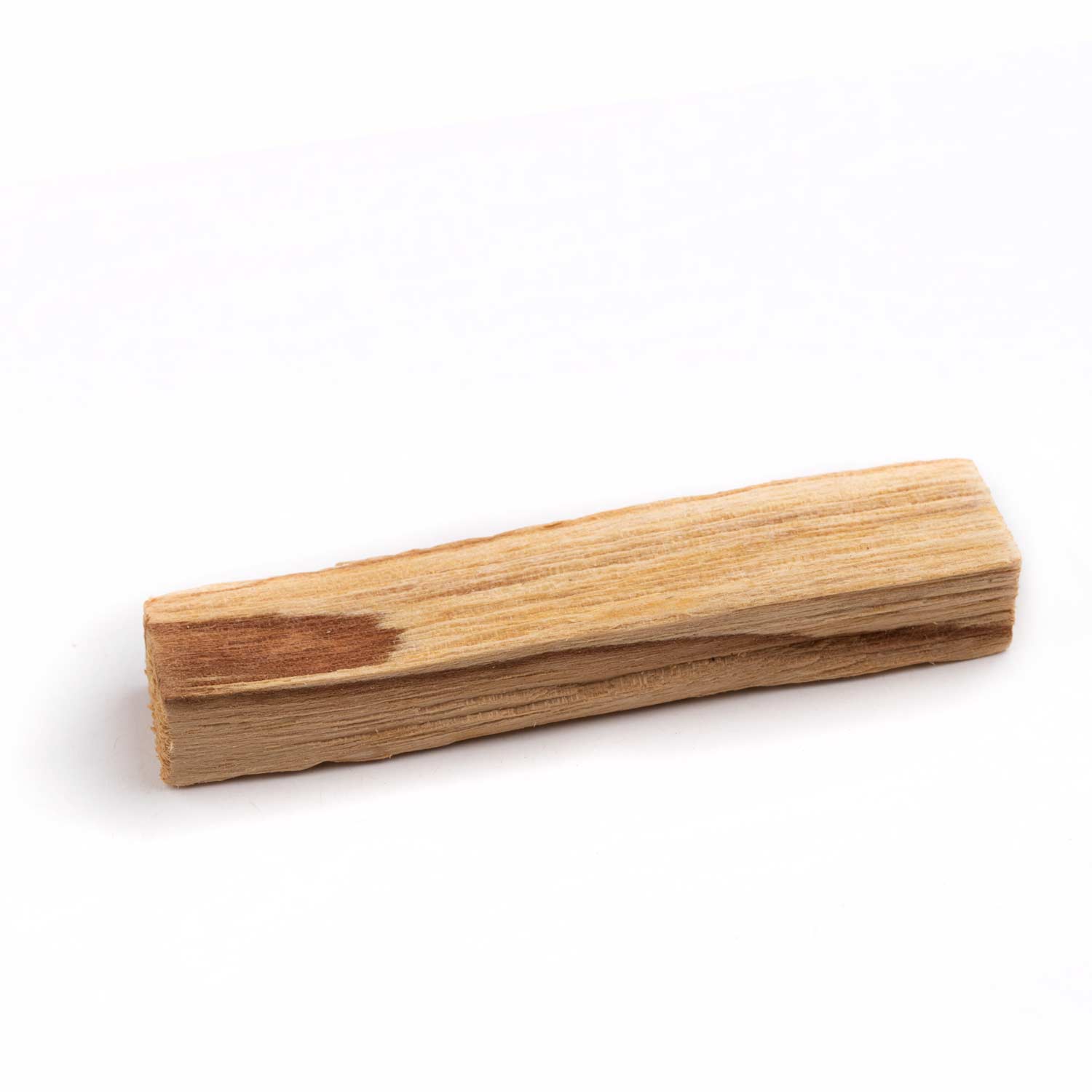


Palo Santo (Bursera graveolens) is a wild mystical tree from the coasts of South America, reaching heights of up to 15 meters. It belongs to the same family as myrrh and frankincense. What sandalwood represents in India, Palo Santo represents in South America. Its Spanish name translates to Holy Wood. Its magic lies in an alchemical process occurring after the tree dies. Typically living 80 to 90 years, the tree must rest in its natural habitat for 4 to 10 years after death to complete its transformation. Only then do its medicinal and mystical properties develop. Shamans and healers in Peru, Ecuador, and the Andes have used this aromatic treasure for millennia. Its influence spans both the physical and metaphysical worlds.
Peru, Venezuela, Bolivia, Costa Rica, El Salvador, Honduras, Mexico, the Yucatan Peninsula, Nicaragua, and the Galapagos Islands.
Shamans and healers burn Holy Wood during rituals to cleanse energies. Palo Santo produces a pleasant, fresh smoke with hints of mint and citrus that naturally repels insects. Tradition holds that the smoke dispels negative spirits and attracts positive ones. Its scent raises vibrations, stimulates creativity, and enables a deep connection with the Source during meditation. Opening oneself to its magic brings good fortune.
In South America, Palo Santo relieves common colds, flu symptoms, stress, asthma, headaches, anxiety, and depression. It aids in treating inflammation and emotional pain while effectively calming agitation and tension.
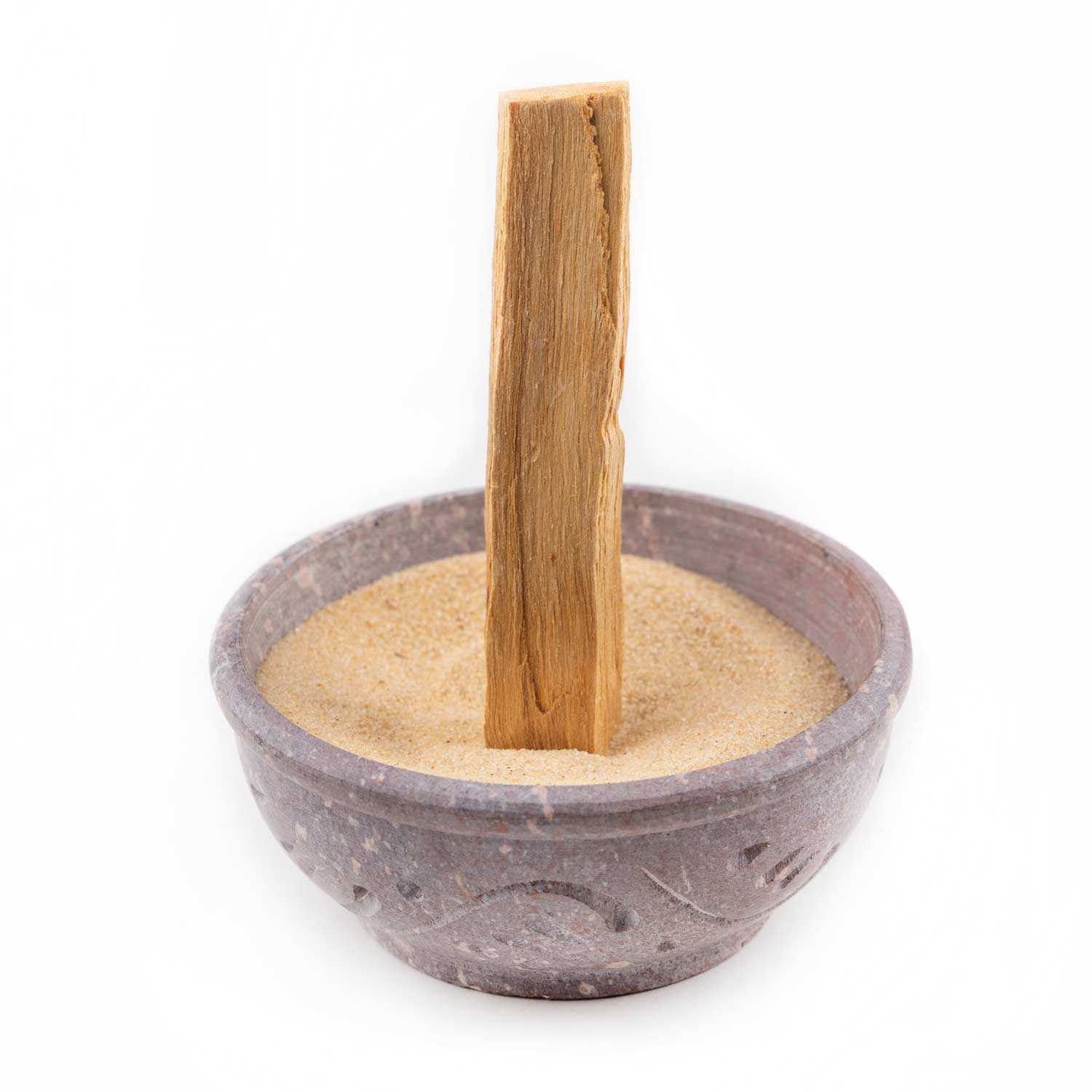
Use a single Palo Santo stick multiple times. Hold the wooden stick at a 45-degree angle and let it burn for thirty seconds to a minute until it glows brightly. Blow out the flame and smudge your home, office, or car with the glowing ember. Wave the stick gently to encourage smoldering and release the aromatic scent that evokes peace. After use, place the stick in a fireproof metal, glass, or ceramic bowl. If needed, prolong the smoldering by blowing on the ember.
Warm, finely sweet, and rose-woody.
For use on incense charcoal, combine Palo Santo pieces with benzoin, black, gold, or white copal, frankincense (Boswellia), sandalwood, vanilla, tonka beans, tolu, myrrh, or lavender.
 Stay Connected