

Sandalwood: Mystical Aroma for Relaxation and Meditation
16.12.2025
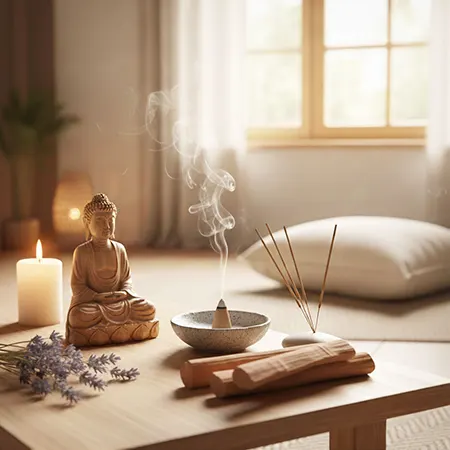
Sandalwood (Santalum album) as incense and aroma has captivated people for centuries with its warm, sweet and woody fragrance. True sandalwood, however, is rare and difficult to obtain, as excessive harvesting in India over the last decades has greatly reduced the tree population. Much of the “sandalwood” found on the market is often not genuine Santalum album. This is why finding high‑quality, authentic sandalwood is a true art.
Origin and growth
Santalum album tree grows mainly in India and Indonesia. Specific climatic and soil conditions allow the trees to develop their unique heartwood, rich in essential oils. The heartwood is the part of the tree that contains the characteristic fragrance and is used for incense, powder and perfumes.
After five to ten years the heartwood begins to form from the roots. At first the wood is light and almost scentless (the so‑called sapwood), but over time it turns into aromatic, darker heartwood rich in concentrated essential oils. This process takes several decades, which is why older trees, 40 years or more, are the most suitable for the finest sandalwood.
Scent and aroma of sandalwood
Sandalwood has a distinctive fragrance that is warm, sweet, creamy and woody. The scent develops gradually as the wood is warmed or burned and creates a meditative, relaxing atmosphere.
- Indian: sweet, soft, with a slightly floral tone
- Indonesian: more intense, earthy, with rich woody notes
Spiritual and meditative effects
Sandalwood has been used for centuries in various spiritual traditions:
- Space cleansing: aromatic smoke clears negative energies and raises the vibration of a room
- Chakra connection: works on the third eye (Ajna) and crown chakra (Sahasrara) and enhances intuition and spiritual clarity
- Meditation and ritual: helps with focus, calming the mind and deepening meditative practices
Practical uses of sandalwood
Sandalwood is available in several forms:
- Powder: for incense blends, meditation or rituals
- Wood chips: ideal for incense burners, heated on charcoal or a mesh
- Oil: used in perfumes and aromatherapy
Different grades of sandalwood
Sandalwood is naturally divided into several quality grades that differ according to the age of the trees, intensity of fragrance and concentration of essential oils. These include:
- Young heartwood: trees 5–20 years old, with a recognizable scent but less essential oil content
- Old heartwood from naturally fallen trees: over 40 years old, with a sweet fragrance, ideal for incense and powder
- Highest grades A1 and A2: comparable to Royal Hojari frankincense from Oman; A1 (also known as Mysore) has a more intense, sweeter and warmer scent due to the special microclimate of dry, rocky regions
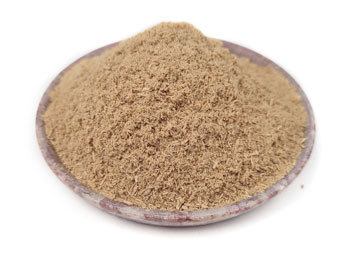
We currently import only Balloon Dust, which comes from older, naturally fallen heartwood and offers the most intense aroma, full of sweet and warm notes – ideal for incense, meditation and aromatherapy.
Why Indonesian sandalwood is special
Today Indonesia is one of the few countries where Santalum album grows in a form comparable to the Indian variety. The trees there receive plenty of sun and almost no rainfall, which allows the development of rich, fragrant heartwood. In our range you will find Indonesian white sandalwood powder Balloon Dust, obtained from naturally fallen trees – a true delicacy for sandalwood enthusiasts.
Use and effects
Sandalwood is used for meditation, rituals and aromatherapy. Its fragrance helps to calm the mind, raise the vibration of a space and connect body, mind and spirit. Sandalwood powder, resin or sticks can be burned on charcoal or a mesh and are also used for perfumes or incense blends. Sandalwood incense sticks are also very popular.
Use of white sandalwood powder for spiritual purposes
White sandalwood powder has been used for centuries in religious ceremonies, meditation and spiritual practice. Its soothing fragrance helps to quiet the mind, raise the vibration of a space and create a sacred atmosphere for focus and meditation.
Use as a paste on the third eye
For personal meditative practice, you can prepare a paste from the powder:
- Take a small amount of powder (about a pinch) and add a few drops of water to form a thick paste.
- Gently apply the paste to the area between the eyebrows, where the third eye (Ajna chakra) is located.
- While the paste gently acts on this area, close your eyes and focus on your breathing and inner calm.
This practice is said to soothe the nervous system, stimulate spiritual energy and increase inner clarity. The powder is also used as a sacred tilak on the forehead or for anointing and consecrating deities during rituals (puja), which supports connection with higher energies and raises consciousness.
Recommendations for meditation and rituals
- Use the powder as part of your daily meditation to enhance focus and inner peace.
- Add a few drops of sandalwood or sage oil if you want a more intense aromatic experience.
- You can also light a charcoal disc and use the sandalwood powder as incense, or burn high‑quality sandalwood sticks to create a meditative atmosphere.
- Regular use can help stabilize thoughts, energy and emotions and support spiritual growth.
Red sandalwood: an alternative to white Santalum album
Alongside white sandalwood there is also red sandalwood, usually obtained from species such as Santalum spicatum from Australia and other related trees. Red sandalwood has a characteristic reddish to brownish wood color and a somewhat different aroma than the white type:
- White sandalwood: warm, sweet, creamy and woody scent
- Red sandalwood: more spicy, earthy and raw aroma, less sweet and creamy
Red sandalwood is rarer and aromatically distinct, but in our range we offer only white Santalum album, known for its characteristic fragrance and meditative power.
Conclusion
Sandalwood is the wood of a noble aromatic tree – a symbol of millennia‑old tradition and spirituality that deserves the utmost care in its use. With carefully selected quality, such as genuine Indonesian sandalwood powder Balloon Dust, every user can experience a deep meditative and aromatic journey that enriches both space and mind.
 Stay Connected