

The World of Incense
23.11.2022
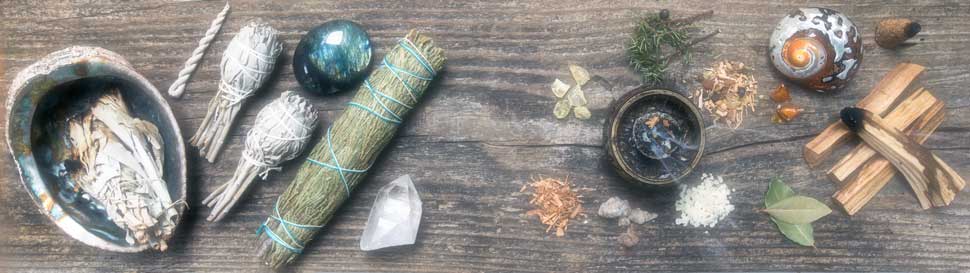
"As the smoke rises, we bless this house and commend it to God's care"—with these words, our grandmother would smudge the entire house from the cellar to the attic every Christmas Eve. She would use a small shovel to scoop up a few glowing embers from the wood-burning stove and sprinkle the incense over them. I used to follow her around, completely captivated, and when she was no longer with us, I took over this 'fun' tradition myself. Over time, it grew into something much deeper. Today, it is no longer just a fond memory of my dear grandmother, but a sacred ritual that always brings a sense of magic, reverence, and peace into our home.
When we first started selling incense at our shop in the BTC commercial district decades ago, we only sold a handful of pieces, and even then, mostly right before Christmas. Over the years, however, interest has steadily grown, and I am thrilled to see incense making such a meaningful comeback. In truth, incense has been our companion since time immemorial. No matter which ancient culture you look into, aromatic smoke has always played a vital role. Today, we are simply witnessing its grand revival.
The tradition of burning aromatic plants is one of humanity's most natural rituals. Historically, its purpose was always deeply intertwined with preserving and protecting life. Whether used to support physical, mental, or emotional well-being, or to shield against pathogens, the practice ran deep. It served as a method for preserving food, as well as a sacred accompaniment to religious, spiritual, and even magical ceremonies.
Fragrances have a profound way of affecting us, and our response to them is shaped by our past experiences. Whether triggering primal instincts or buried childhood memories, scents can awaken and activate various aspects of our inner world. Regardless of whether a scent brings up a pleasant or uncomfortable feeling, it delivers a clear message: something is locked away in the basement of our subconscious, longing to be set free.
It is truly fascinating how many people have suddenly found themselves completely captivated by the world of incense, as if something precious and long-forgotten is carving its way back into our collective consciousness. When practiced mindfully, an incense ritual—much like a traditional tea ceremony—can make time stand still, anchoring us completely in the here and now. It allows us to break away from the mechanical routine of daily life and step into a timeless space, if only for a moment. The effects are often profound, sparking subtle inner transformations and a deeper sense of self-awareness. Exploring different incenses opens up a whole new world of rich, grounding impressions.
A Global History of Incense
Ancient Egypt
In Ancient Egypt, a day without incense was considered a day wasted. They would burn frankincense (olibanum) in the morning, myrrh at noon, and a carefully crafted blend called kyphi in the evening. As the Roman historian Plutarch noted, kyphi was burned at nightfall because it gently lulled the residents to sleep, brought sweet dreams, and washed away the worries of the day.
Japan
The Japanese elevated the use of aromatics into a sublime art form. With an extraordinary eye for detail and aesthetics, they developed a sophisticated incense culture known as Kōdō (Way of Incense), which stands as one of Japan's three traditional arts of refinement. Kodo translates to the art of burning incense and appreciating its aroma. In this tradition, they say incense is not something you merely "smell," but something you "listen to." There are two primary ways to experience incense in Kodo: "Monko," where you deeply listen to and appreciate the fragrance, and "Kumiko," a game-like ritual where you listen to identify specific scents. The most prized aromatic materials in Japan include agarwood (jinko), sandalwood, cinnamon bark, cloves, ginger lily, lavender, licorice, patchouli, saffron, Himalayan valerian, and star anise.
North America
For the Indigenous peoples of North America, ceremonial smoke has always held a sacred place in daily and spiritual life. Through smudging ceremonies utilizing powerful sacred plants like white sage, juniper, sweetgrass, tobacco, or cedar, they restore their connection to nature as a whole and to the Great Spirit. These sacred plants are used to cleanse, heal, and bless people and spaces.
To learn more about the deep cultural significance of this tradition, watch Stephen Augustine explain the Smudging Ceremony.
South America
Among the indigenous cultures of South America, incense has been an essential part of both daily routines and spiritual practices for centuries. The most prominent aromatics in this tradition are copal, tolu balsam, and palo santo (holy wood), harvested from the Bursera graveolens tree—often used in the form of natural wood sticks.
Palo santo is celebrated for its uplifting aroma, which beautifully blends woody, citrus, and subtle minty notes. It is traditionally used to enhance meditation, promote relaxation, and clear negative energy during rituals. The most potent and sacred wood comes exclusively from naturally fallen trees and branches that have aged on the forest floor for several years, allowing the aromatic resins and essential oils to fully crystallize.
Today, this "holy wood" is cherished worldwide and can be enjoyed as raw sticks, resin, incense cones, or even worn as meaningful jewelry. It is a popular choice for anyone looking to clear their space and create a serene atmosphere. You can explore all the different varieties and options in our complete Palo Santo collection.
India
In India, some of the earliest records of smoke purification can be found in the ancient Vedas. Written in Sanskrit, these sacred Hindu texts detail the use of incense as a therapeutic tool to aid recovery from illness and to create a pristine, tranquil environment that fosters deep healing.
The most revered incenses in India include sandalwood, agarwood, and Indian frankincense (Boswellia serrata).
Africa
Throughout Africa, traditional healers and spiritual leaders have long burned sacred herbs over hot charcoal or cast herbal powders directly into ritual fires. The rich smoke would envelop individuals in a therapeutic "smoke bath" to cleanse their energy.
In West Africa, plants like N'tabanokò (Cola cordifolia), Ganianko (Combretum molle), and Nèrè (Parkia biglobosa) are widely used.
In South Africa, the sacred herb Imphepho (Helichrysum odoratissimum) has been used in rituals since ancient times and remains a cornerstone of spiritual practices today.
China and East Asia
In Ancient China and across East Asia, incense has always been a constant presence in Buddhist, Taoist, and Shinto temples, as well as a vital element of ancestor worship. The most significant aromatics in this region include agarwood, sandalwood, benzoin, camphor, frankincense, cloves, cinnamon, amber, magnolia, peony, and cypress.
Australia
The Aboriginal peoples of Australia have practiced traditional smoking ceremonies for millennia to promote health, well-being, protection, and a deep grounding connection to Mother Earth. These ceremonies mark all major life transitions, from birth (to protect both mother and newborn) to death. Smoking ceremonies are also performed as a warm, protective gesture to welcome visitors to Country.
Conducting a smoking ceremony for someone is considered a profound gift and blessing.
The traditional botanicals used include eucalyptus, Australian sandalwood, emu bush (Eremophila longifolia), cauliflower bush (Cassinia longifolia), wild peppermint, and other native herbs.
The National Museum of Australia captured a beautiful short film detailing this living tradition, which you can watch here: Adrian Brown on smoking ceremonies.
Europe and Slovenia
The Celts kindled ritual fires using juniper, rowan, and elderberry. Saining is an ancient Celtic practice where fire and water are used to invoke the protective spirits of the botanical world to cleanse or heal a person, animal, place, or entire community. Community members would take turns passing through or jumping over the smoke for purification and protection, and livestock would be driven through it before the smoke was brought into the home. This ritual also marked milestones like births, marriages, and funerals.
In medieval Europe, people burned rosemary in their homes to ward off the plague and other infectious diseases. Even well into the 20th century, French physicians recommended burning rosemary and thyme in hospital wards to purify the air.
In Slovenia, the Old Believers (pagan traditionalists) of the Soča Valley used fresh juniper and laurel branches, rosemary, and pine resin for their sacred smoke rituals. In other regions, people relied heavily on whichever aromatic plants grew abundantly in their immediate surroundings.
Smoke rituals are profoundly beautiful. They offer us a way to align with the forces of nature and connect with our deeper self, clearing away stagnant energies while providing a sense of comfort and protection. We encourage you to explore your own heritage and discover your botanical allies—many of which might be growing right in your backyard or a nearby forest. When we approach nature with reverence, we naturally open ourselves up to her protection, healing, and blessings.
The Element of Fire
Fire is a primal force of nature—it is the ultimate catalyst for transformation and change. Fire breaks down the old to clear a path for the new, acting as a powerful agent of purification and rebirth. This elemental connection is becoming increasingly recognized in the West, as seen in the rising interest in shamanic healing and purification rituals like firewalking and traditional Native American sweat lodges. All of these profound experiences revolve around fire.
Sitting by an open flame naturally stirs an enchanting, deeply calming feeling within us. Although modern heating and cooking methods have largely removed open fire from our living spaces, many people are consciously choosing to bring it back. The tradition of lighting midsummer bonfires and gathering around campfires remains as vibrant as ever. Fire can be a wise teacher, reminding us of the impermanent nature of our physical world. However, the most important rule when working with fire is absolute respect. Without mindfulness and care, it can easily burn us.
Fire is also the essential element required to enjoy loose incense. Without a flame or glowing charcoal, we cannot transform raw botanicals into aromatic smoke. Scent is a subtle, invisible force capable of shifting our perception, and fire is the energy that initiates that alchemy. The smoke arising from smoldering botanicals is like the soul of the plant being set free. As moisture evaporates and rises as a visible plume of smoke, it carries the plant's true essence into the air. This is a beautiful alchemical process where the spirit of the plant detaches from its coarse material body, becoming tangible to our senses as an ethereal substance.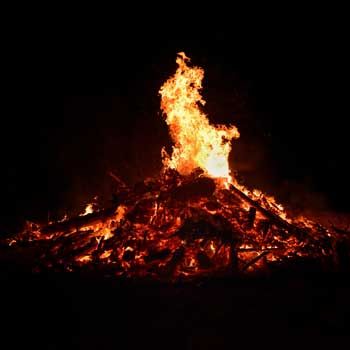
How Incense Affects Us
Through our olfactory system, incense bypasses the analytical mind to directly influence our psychological and emotional states. Scents trigger immediate emotional reactions—we either instinctively love a fragrance or dislike it. If you are instantly drawn to a specific aroma, you can look at it as a signal from your body that you need that particular quality to restore inner balance. It shows that you are open to the healing properties of that plant. By embracing its power, you allow it to work its magic on you. Always choose fragrances that truly make your heart sing; you can never go wrong that way. Over time, you might also want to gently explore scents that initially repelled you. Unlocking their mystery often requires finding the right inner key, a journey deeply tied to self-discovery. Regularly burning incense that brings you joy helps release tension and harmonizes the body, mind, and soul. Gradually, as your energy flows more freely and your inner strength grows, you may find yourself opening up to fragrances and qualities that once felt uncomfortable. Your experience with incense will always be shaped by your current state of mind and your intention. Lighting incense naturally creates a bridge to subtler dimensions, lifting our worries to higher realms where support and clarity reside. The same is true for our prayers and positive wishes; incense serves as a vehicle to enter the metaphysical realm of creative energy, the very source where all manifestation begins.
Methods and Accessories for Burning Incense
Over thousands of years of human history, countless methods for preparing and burning incense have evolved. Yet, despite these diverse origins, traditional techniques remain remarkably similar across the globe.
Classic Incense Sticks
Incense sticks are incredibly popular due to their sheer practicality. Simply light the tip, let it flame for a few seconds, and gently blow it out if it doesn't extinguish on its own. The stick will slowly smolder from the top down, filling your room with its fragrance. This convenient method is believed to have been originally developed by Buddhist monks in India.
Generally speaking, there are two main categories of incense sticks:
1. Cored Sticks (with a bamboo or wooden core)
These are the most common types of incense, heavily associated with India. They are crafted by coating the top two-thirds of a thin bamboo stick with a moist paste made from high-quality aromatic wood powder (such as sandalwood, cedar, or agarwood). This base is blended with natural gum binders, pulverized herbs, or pure essential oils. Once the paste dries, the sticks are ready. While some modern incense sticks are dipped in synthetic perfumes to create exotic scents, it is always best to let your nose guide you toward natural quality.
We invite you to browse our curated selection of authentic Indian incense sticks.
2. Solid, Coreless Sticks (without a wooden core)
The production of these sticks is a bit like making pasta—the aromatic herbal paste is extruded into long strands and left to dry completely. The primary advantage of coreless sticks is that you get a completely pure aroma, without the underlying scent of burning bamboo. Some of the purest, most natural coreless incenses come directly from Tibetan and Nepalese traditions. Since these sticks are typically too thick for standard incense holders, they are best enjoyed by standing them upright in a small bowl filled with fine sand. If you want to extinguish the stick early, simply flip it over and push the burning tip into the sand. Japanese incense sticks are also coreless, though they are much thinner than Tibetan ones and usually come with a tiny ceramic burner included in the box. The aroma of Japanese incense is exceptionally subtle, elegant, and sophisticated. Premium manufacturers strictly avoid synthetic fragrances and binders, whereas budget alternatives may include them. The precise, intricate recipes have always been closely guarded artisanal secrets.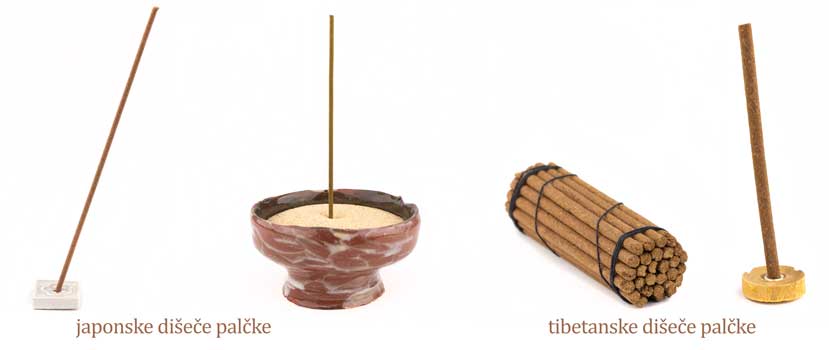
Incense Coils
These are crafted using a similar method to coreless sticks, rolled into a continuous spiral that offers a much longer burn time.
Incense Cones and Other Formats
Incense cones are highly favored for their ease of use. You simply light the pointed tip and let it gently smolder. Cones are crafted across India, Indonesia, Japan, China, and even Europe. Because they do not generate extreme heat at their base, they can be safely placed on a small ceramic coaster, making them excellent travel companions.
Native American Smudge Sticks and Bundles
In Native American traditions, people use dried smudge bundles made from sacred plants like white sage, cedar boughs, juniper twigs, and desert sage. The process begins with harvesting the botanicals mindfully, binding them tightly together, and hanging them in a dry, dark place to cure completely. Ethical, traditional harvesting means gathering the plants on specific days and hours while maintaining a deeply respectful, focused state of mind and offering thanks for the plant's life force. To use, light the top of the bundle, let it catch a good flame, and then wave it gently through the air to extinguish the fire. The bundle will begin to smolder, releasing a thick, aromatic smoke. This smoke is traditionally used to cleanse tipis, homes, sacred objects, and people—clearing away negative energy while bringing healing and blessings.
Sweetgrass is traditionally braided into beautiful tresses, dried, and lit from one end.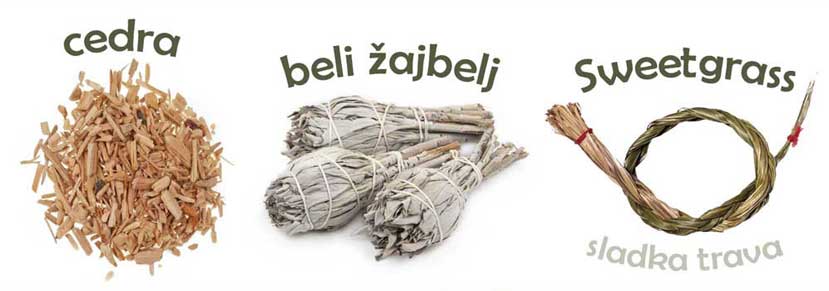
Pure Raw Botanicals and Resins
This category includes raw tree resins, aromatic woods, and dried herbs that are burned on charcoal briquettes, glowing embers, or specialized mesh burners. Burning raw, single-source botanicals allows you to truly get to know the distinct personality of each plant and experience your own unique response to its pure fragrance. The scent released during burning comes primarily from the plant's essential oils, which serve as a means of communication in the natural world. Everyone experiences these fragrances in their own unique way and develops a personal routine, but it helps to learn the standard techniques to find the method that works best for you.
How to Burn Loose Incense
1. Using Incense Charcoal Briquettes
Since most modern homes don't have an open fireplace to source natural embers, specialized incense charcoal briquettes are widely available in various sizes. These round discs feature a small indentation in the center. To light, hold the briquette with a pair of incense tongs and apply a flame to the edge until it begins to crackle and spark. Once it is self-igniting, place it inside a heatproof censer filled with quartz sand or onto the mesh screen of a burner. Carefully spoon a small amount of loose incense into the central indentation; as the charcoal heats up, the botanicals will begin to release their aromatic smoke. The charcoal itself may release a slight odor as it lights, and can burn for up to 40 minutes depending on its size. Because charcoal briquettes easily absorb moisture from the air, always store them in a tightly sealed, dry container.
Standard Incense Bowls (Without Mesh) for Charcoal Use
When burning charcoal, you must use a heatproof vessel that won't damage the surface underneath. We highly recommend using a censer with legs or filling your bowl with quartz sand to insulate the vessel and prevent overheating. Charcoal requires adequate oxygen to stay lit, which is why burners with decorative perforations work beautifully. If using sand, you can lightly score the surface with a fork before placing the charcoal on top to allow better airflow underneath. Censers with handles are exceptionally practical if you plan to carry the smoke from room to room to cleanse your home.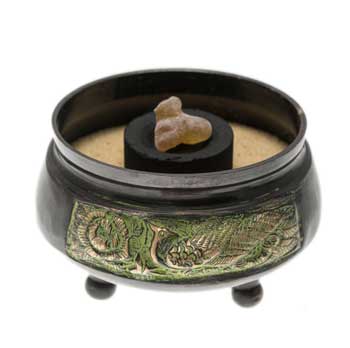
Incense Censers with Wide Mesh Screens for Charcoal Use
These specialized burners feature a wide wire mesh screen on top where the glowing charcoal disc is placed. It is vital to never leave a burning censer unattended until you are completely certain that both the incense and the charcoal have burned out entirely. Keep in mind that certain loose botanicals and resins can be highly flammable, so it is always wise to test a tiny amount first.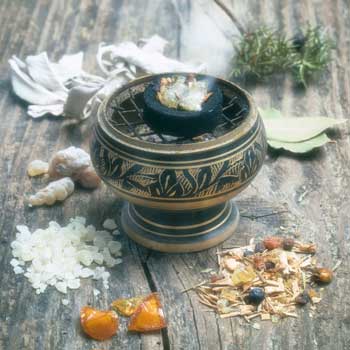
2. Stainless Steel Mesh Burners (Tealight Incense Warmers)
These elegant warmers feature a fine stainless steel mesh screen (sieve) sitting directly above a standard tealight candle. Instead of using charcoal, you place your loose incense or resins directly onto the mesh screen. The flame beneath gently warms and melts the botanicals; because they do not burn aggressively, this method produces much less smoke while delivering a incredibly pure, intense, and clean aroma.
This gentle method is ideal for delicate resins such as myrrh, guggul, frankincense, mastic, sandarac, and benzoin. For softer or more fluid resins (like elemi), it is best to mix them with aromatic wood chips, which will naturally absorb the melting resin.
To maintain your mesh screen, make sure to clean it after it has completely cooled down. Simply press on the underside of the flexible mesh to pop off any hardened resin crust. Any stubborn residue can be burned away by holding the mesh directly over a flame, and finished with a quick scrub using a small wire brush. Because the screen is made of high-quality stainless steel, you can also wash it with a mild dish soap to keep it looking pristine and bright.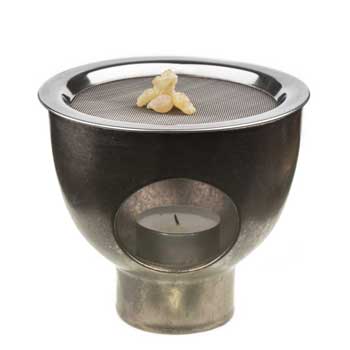
Last updated: June 16, 2026
 Stay Connected